
.jpg)


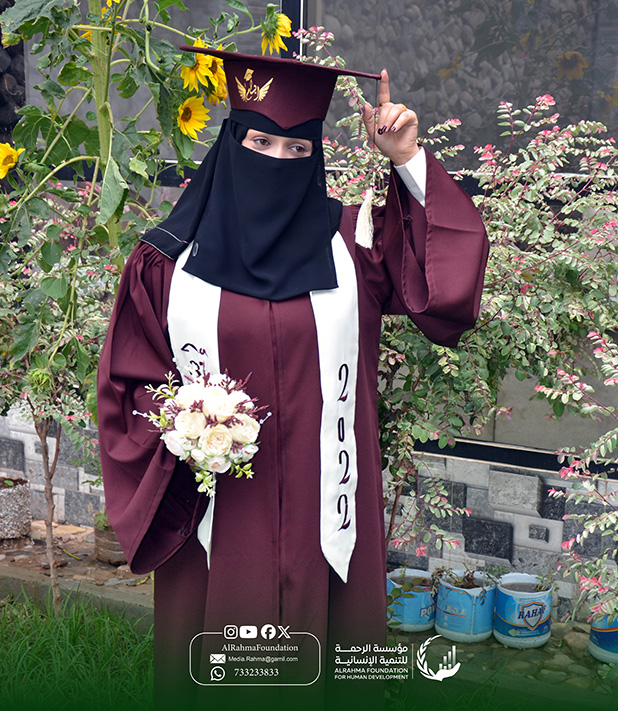
The Girl Who Never Broke
<h6 class="">;">The Girl Who Never Broke For those whose beginnings were painful, their endings were bright. Not all childhoods are filled with games and laughter; there are children born with questions in their eyes greater than their years, carrying on their small shoulders what even the hearts of adults cannot bear. I was one of them. From my earliest years, I felt that I had been created for a mission greater than my age, and that God was preparing me for something great—even though at the time I didn’t understand the meaning of pain, nor why fate had chosen me to learn life’s lessons so early. I remember the first images etched in my memory when I was two years old. I was playing with my brothers while the sound of an argument grew louder between my father and mother. My brothers didn’t realize what was happening, but I would stop playing and walk over to my father, pretending to be thirsty, and ask him for a glass of water. I wasn’t actually thirsty, but I knew that his love for me would prompt him to stop arguing and turn his attention to me. I may have been too young to understand life, but my heart saw what others couldn’t. As the days passed, my mother’s illness worsened, and then came the day that changed my life forever. I was four years old when I lost my father. I didn’t understand what death meant, but I understood that the home that had once been filled with safety had become desolate, and that a warm embrace would never return. My mother couldn’t bear the shock of the loss, and her mental state deteriorated until she lost her sanity. In an instant, I became fatherless, and my mother was absent from my life even though she was still alive. My aunts chose to have me live with them, while my brothers were scattered among different homes. From that day on, I began a long journey of moving from place to place—not in search of a home, but in search of a sense of belonging. I lived with nine aunts and three of their daughters. In those homes, I met many people and witnessed different facets of life; I experienced both affluence and hardship, and tasted both justice and injustice, but one thing never changed… my longing for my family. I still remember the words one of my aunts planted in my heart after my father’s death, when she said: **“My brother has died. ...so you have died with him.” They were harsh words, but they did not kill the hope within me; rather, they made me more determined to prove that a father’s death does not mean the death of dreams. I would escape the noise of life into my notebooks. In them, I wrote down my dreams and sketched out a future I didn’t know how to reach, but I believed was waiting for me. At school, I found my true world. I worked hard to earn top grades—not to outshine my classmates, but to prove to myself that circumstances cannot defeat a person as long as they believe in their ability to rise again. But life wasn’t content with the past. Whenever I grew attached to a home, I would part ways with those in it. One of my aunts would pass away, so I’d move to another aunt’s house, and then the cycle would repeat itself. Until parting became a constant companion, and I realized that some people learn to settle down, while I learned how to start over every time. I grew up… . And my dreams grew with me. When I returned to live with my brothers, I felt like a guest in a house I knew but that didn’t know me. What hurt me most was the situation of my sister, who was a year younger than me. She was incredibly gentle, with a heart that knew nothing but love, but life weighed it down with oppression and humiliation until she began to withdraw from life little by little. I left my studies in Aden and returned to Abyan to be by her side. I couldn’t


.jpg)

