.jpg)


Orphan care and shelter
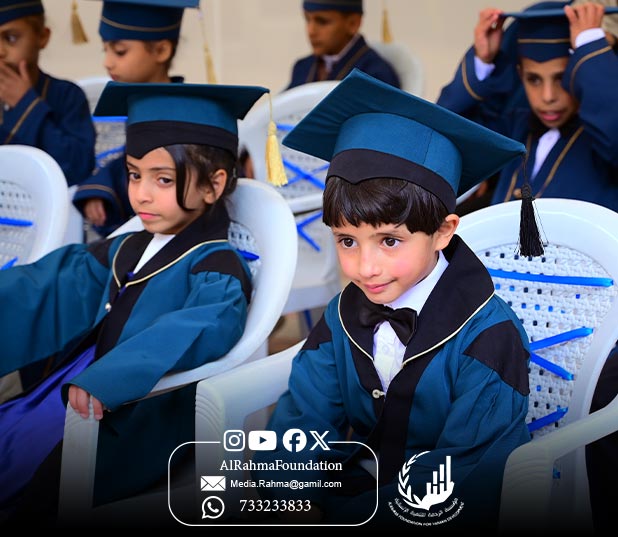
The foster care program aims to provide a warm and safe environment for orphans, mimicking a family atmosphere to compensate for their loss and empower them to grow into active and independent individuals. We believe that care extends beyond just shelter; it encompasses building strong personalities capable of taking responsibility and facing life's challenges.
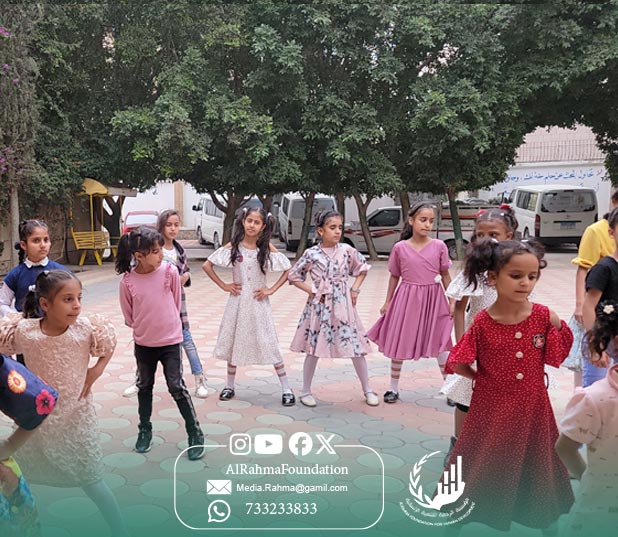
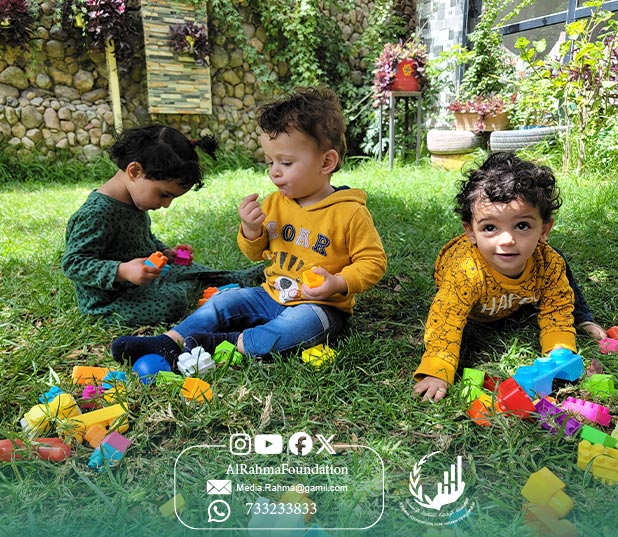
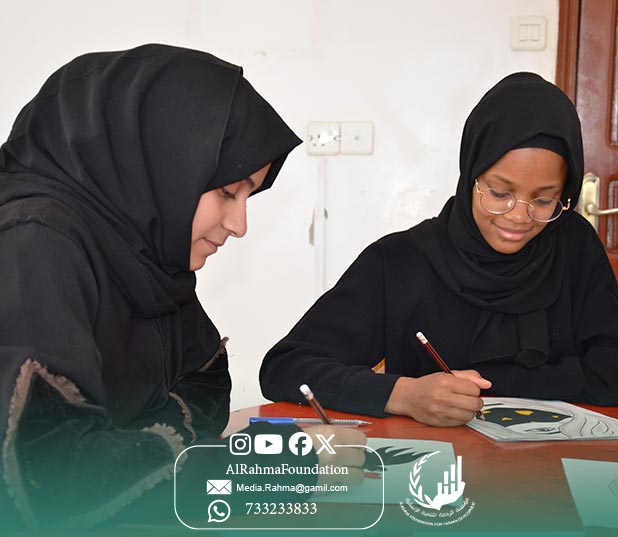
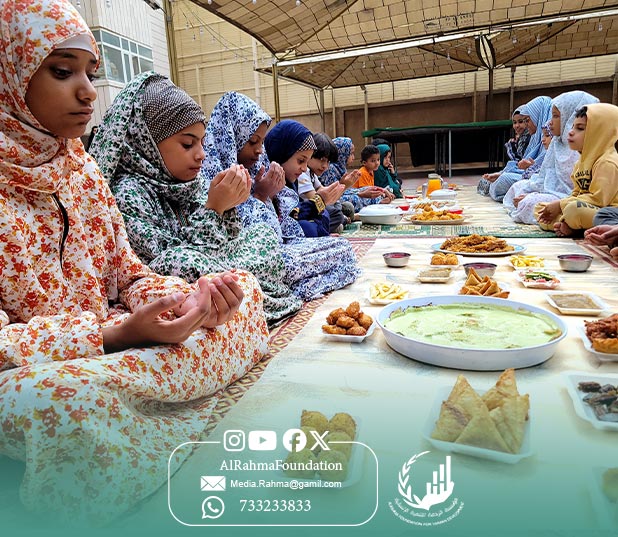
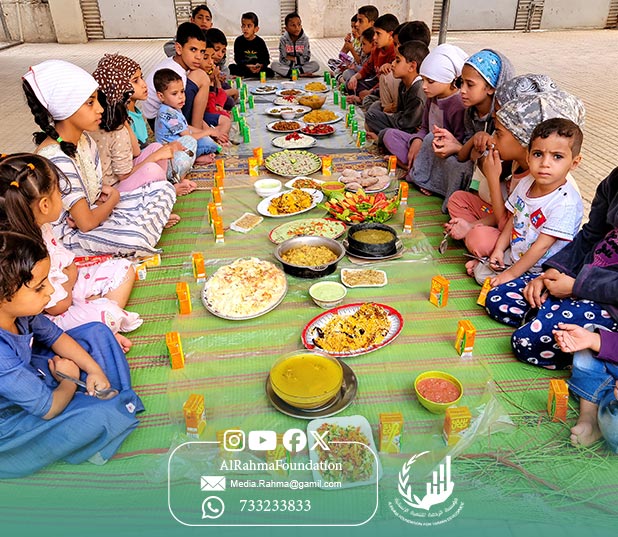
The foster care program is a home that inspires a sense of security and safety, bringing together a foster mother and her children as a family. Everyone contributes to its upkeep, cleaning, and decoration, creating an atmosphere of love, intimacy, cooperation, and respect, fostering strong personalities capable of shared responsibility. The children experience the tenderness, affection, and warmth of a family, as mothers, brothers, and sisters. Everyone is encouraged to express their emotions and feelings to build strong family bonds, friendships, and social relationships. The children learn effective communication and interaction through an interactive family life in the nursery, school, and their surrounding environment, including visits from their biological families or other relatives. The educational aspect is crucial in the life of an orphan, as upbringing plays a significant role in shaping their character. This is achieved by placing the orphan in the institution, providing them with education, character development, and a sense of responsibility. Simultaneously, the institution cares for them, understands their circumstances, and addresses their challenges using humane and educational methods. The aim is to help them reach the level required for their upbringing and education, as this is the path to success in life. Recognizing the importance of education in the lives of orphans, the institution has established a residential educational system called the "Family System." This system is based on housing 15 children of varying ages in each apartment, with a resident foster mother who supervises, monitors, and implements the family-based educational system. This system relies on positive reinforcement through daily educational activities, accompanied by an implementation schedule that tracks the child's progress and achievements, as well as any lack of progress or failure in a given activity. Appropriate reinforcement is then provided based on these assessments.
The institution develops schedules to organize the various activities that contribute to shaping the children's character and meeting their diverse educational needs. Weekly meetings are held at the apartment level for in-depth discussions that contribute to the individual evaluation of each orphan. These meetings aim to reinforce positive values, promote adherence to religious practices and customs, and encourage self-reliance, engagement in life skills, and advancement in education. The orphans are also provided with various vocational skills, and encouraged to make decisions and take responsibility—qualities often lacking in many families in Yemeni society. This is achieved through their participation in weekly discussions of accomplishments, the reasons for any shortcomings in certain activities, and collaborative efforts to develop practical solutions proposed by the orphans themselves. These solutions help minimize errors, establish procedures for addressing recurring issues, and implement appropriate solutions.
General Objectives of the Shelter:
1- To provide an ideal environment and safe shelter for orphans.
2- To cultivate an educational model that fosters a sense of responsibility towards oneself, one's faith, and one's community. 3- Enhancing the beneficiary's loyalty and commitment.
4- Improving the educational, health, and developmental well-being of orphans.
5- Empowering and training orphans to become active members of society.
Residential Services:
• Receiving cases.
• Comprehensive residential care.
• Educational and developmental support.
• Training and rehabilitation programs.
• Healthcare and psychological support.
• Monthly financial allowances.
Conditions for Admission to the Institution
1- The guardian of the orphan submits an application for the orphan's admission to the institution or the relevant legal authority, and initial information about the orphan is collected.
2- Before the orphan's admission, the initial information is verified through a field visit to the orphan's location, photographing the premises, and, if possible, gathering information from a local community leader, neighbor, or other relevant person.
3- The field research officer completes the orphan's case admission form.
4- The field research officer verifies the orphan's status and eligibility based on the established criteria.
5- The orphan must be a fatherless orphan, an orphan of both parents, or a child whose father is mentally incapacitated, serving a life sentence, sentenced to death, or missing.
6- The guardian must consent to the orphan's admission to the institution unconditionally by signing and ratifying the undertaking for the orphan's admission.
7- The orphan must be physically healthy and free from chronic illnesses, physical disabilities, and mental or neurological disorders. 8. The child is admitted and photographs are taken showing their condition upon arrival at the institution.
9. The field research officer completes the required documents (original birth certificate, orphan's academic file, copy of the guardian's ID card, copy of the father's death certificate or proof of loss, report of the father's insanity, life sentence, or death sentence).
10. The institution disclaims responsibility for the child's health upon admission until the medical examination conducted by the institution is completed.
11. The admissions officer submits the orphan's name to the health officer for the medical examination.
12. The medical examination is conducted according to the institution's approved form. After the child's admission, a file is opened for the orphan to maintain their data in the archived records according to their enrollment order.
13. A declaration and undertaking are obtained from the authorized or legal authority.
.jpg)

.jpg)
.jpg)